

T Shirts Supplier
When evaluating the quality of the manufacturing process for T-shirts, several key factors determine the final product’s durability, comfort, and overall quality. Here’s a breakdown of the manufacturing process and the elements that contribute to high-quality T-shirts:
Material Selection
- Fabric Quality: The choice of fabric is crucial. High-quality T-shirts often use:
- Cotton: Combed, ring-spun, or organic cotton for softness and durability.
- Blends: Cotton-polyester blends for added durability and wrinkle resistance.
- Specialty Fabrics: Bamboo, modal, or other eco-friendly materials for unique textures and performance.
- Weight: Heavier fabrics (e.g., 180-200 GSM) are more durable, while lighter fabrics (e.g., 120-160 GSM) are better for breathability.
Cutting Process
- Precision Cutting: Automated cutting machines ensure consistency in size and shape across batches.
- Fabric Alignment: Proper alignment prevents issues like uneven hems or twisted seams.





Stitching and Construction
- Stitch Quality: High-quality T-shirts use advanced stitching techniques:
- Double Stitching: Reinforces seams and ensures durability.
- Flatlock Seams: Used for comfort and aesthetic appeal.
- Thread Quality: Strong and durable threads that match the fabric type ensure longevity.
- Seam Placement: Careful seam placement minimizes irritation and improves fit.
Dyeing and Printing
- Fabric Dyeing: Use of high-quality dyes for colorfastness and consistency:
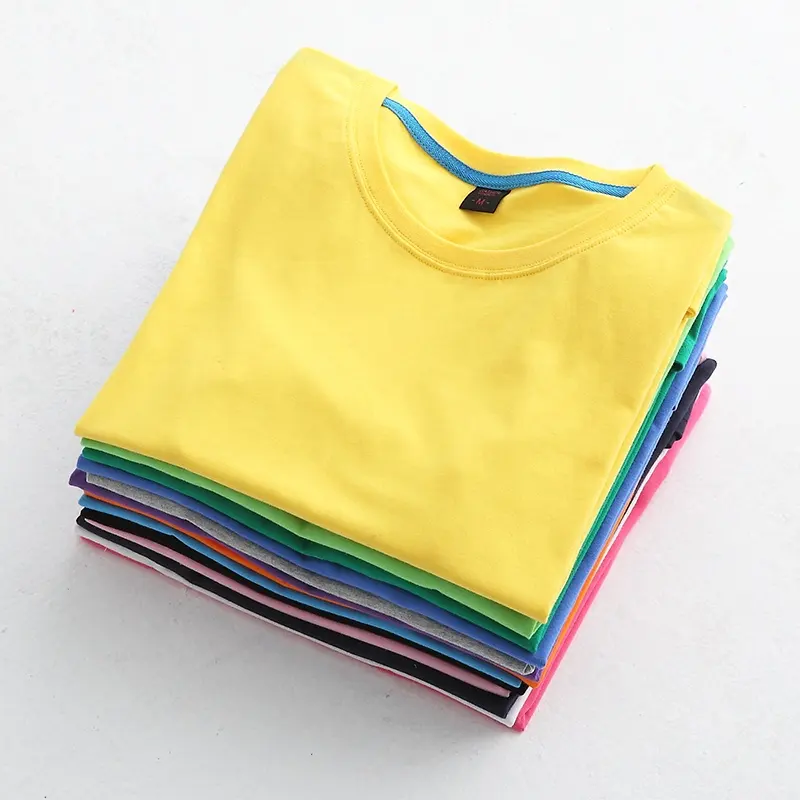
- Pre-dyed vs. Garment-dyed: Pre-dyed fabrics offer color consistency, while garment dyeing adds a vintage or unique look.
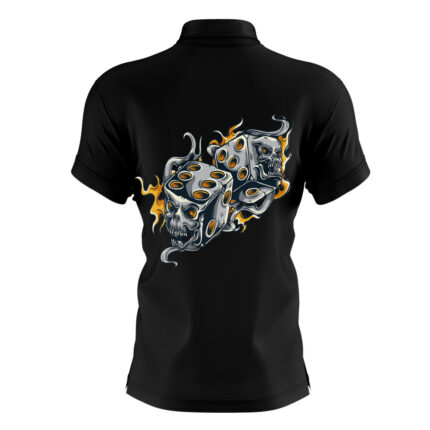
- Printing Methods:
- Screen Printing: Ensures vibrant and long-lasting prints.
- Direct-to-Garment (DTG): Provides detailed and customizable designs.
- Heat Transfer: Suitable for smaller batches, though less durable over time.
Quality Control
- Inspection: Rigorous checks at various stages, such as:
- Identifying fabric defects (e.g., holes, irregular patterns).
- Ensuring consistent stitching and fit.
- Testing: Products undergo tests for shrinkage, stretch, colorfastness, and pilling.


